

 LOCATIONS
A Month-by-Month Planting Calendar for Zone 6 Lawns and Gardens
Updated for the 2026 spring season.
In This Article
- How to Use This Guide
- Know Your Zone and Frost Dates
- Annuals, Perennials, and Bulbs: Quick Definitions
- March–Early April: Cool-Season Planting
- Mid-April: The Transition Window
- Late April–May: Warm-Season Planting
- Quick Planting Chart for Southwest Ohio
- Soil Preparation for Better Planting
- Container Gardening in Southwest Ohio
- Common Planting Mistakes in Southwest Ohio
- Frequently Asked Questions
- Where Planting Fits in Your Spring Plan
This spring planting guide gives you a practical planting schedule for Southwest Ohio — and keeps it simple. Planting too early is one of the easiest ways to lose time and money in spring. Southwest Ohio can swing from 70 degrees back to frost in a week, and clay soil warms more slowly than the air.
This spring planting guide gives you a practical planting schedule for our area, whether you’re near Dayton, Englewood, the Moraine/Kettering area, or West Chester. In this spring planting guide you’ll also find what to plant in March, April, and May, and how to prep your beds so plants actually take off rather than sit and struggle.
If you want a printable version to keep in the garage, download the Southwest Ohio Spring Yard Checklist and use it alongside this calendar. For the full spring picture including cleanup and fertilization, start with the Spring Landscaping Guide for Southwest Ohio.
Planting by Month at a Glance
- March–Early April: Cool-season vegetables and hardy annuals once the soil is workable.
- Mid-April: Harden off seedlings, plant hardy perennials, and finish cool-season crops.
- Late April–May: Frost-tender annuals, warm-season vegetables, and summer-blooming bulbs after the last frost and once soil temps reach about 60°F.

The window for cool-season planting opens in March. Soil temperature and frost dates matter more than the date on the calendar.
Know Your Zone and Frost Dates
Most of Southwest Ohio sits in USDA Zone 6a or 6b. That means a few things worth knowing before you plan your beds.
- Average last frost in Dayton usually falls between April 11 and 20.
- Communities like Kettering, Centerville, Beavercreek, and Cincinnati commonly land between April 21 and 30.
- Growing season runs roughly mid-April through mid-October.
Those are averages, not guarantees. Always check a 10-day forecast before you plant anything that can’t handle a frost. A late cold snap in early May is not unusual here, and it only takes one night below 32°F to wipe out tender annuals or tomato transplants.
Even after the average last frost date has passed, keep an eye on the 10-day forecast before putting frost-tender plants in the ground. Average means half the years are later than that date. Seed packets don’t know what year it is.
— Ryan Dunham, Champion Mulch & Landscape Supply
Annuals, Perennials, and Bulbs: Quick Definitions
It helps to know what you’re working with before you plan your beds.
Annuals complete their life in one growing season. They offer big color and long bloom windows, and they’re great for containers and front beds. Common examples include petunias, marigolds, zinnias, impatiens, geraniums, begonias, and calibrachoa. Annuals are frost-tender, so plant them after your local last frost date.
Perennials come back year after year from the same root system. They may take a season or two to fully establish, but once they do, they’re some of the most reliable plants in the yard. Examples include coneflower, black-eyed Susan, daylily, salvia, coral bells, hostas, and peonies. Perennials can be planted in early spring or early fall. Spring planting gives roots a full season to settle in before winter.
Bulbs fall into two groups. Spring-blooming bulbs like tulips, daffodils, and hyacinths are planted in fall, not spring. Summer-blooming bulbs like dahlias, gladiolus, cannas, and caladiums go in the ground in spring after the danger of frost has passed.
March–Early April: Cool-Season Planting
Once the soil can be worked without sticking heavily to your shovel, cool-season planting can begin. You don’t need warm weather for this group. Most of these plants handle light frost without any trouble.
Cool-Season Vegetables
These can go in before the last frost:
- Lettuce and spinach
- Kale and other leafy greens
- Peas
- Radishes, carrots, and beets
- Onion sets
- Potatoes
Plant seeds or sets according to the spacing on the packet. A light mulch layer helps hold moisture and keeps soil temperatures more even through the chilly nights.
Hardy Flowers and Perennials
- Pansies and violas are cold-tolerant and can go in early, often as soon as late February in a mild year.
- Snapdragons and dusty miller handle cooler weather better than most annuals.
- Divide and replant established perennials that have gotten overcrowded. Early spring, before significant new growth, is a good window.
- Hardy perennials like hostas, daylilies, and coneflowers can be planted now so they have time to root in before the heat arrives.
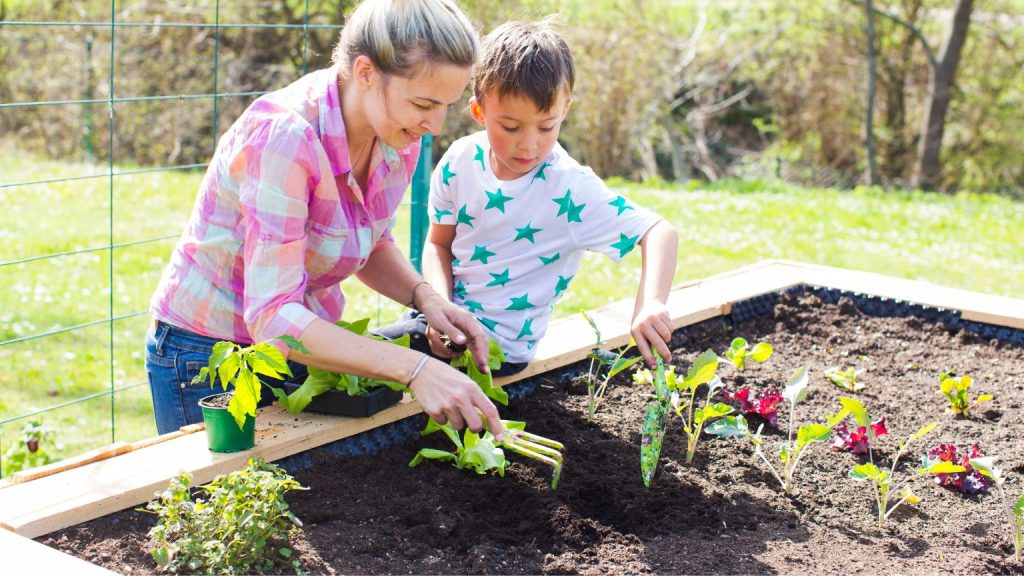
Spring planting goes smoother with fresh topsoil or compost mixed into your raised bed before the first seedlings go in.
Mid-April: The Transition Window
Mid-April is a pivot point. Cool-season planting is still happening, but you’re getting ready for warmer plants. Two things to focus on during this window.
Harden off seedlings. If you started seeds indoors, this step matters more than most people realize. Move trays outside for a few hours each day in a sheltered spot, increasing the time and sun exposure over 7 to 10 days. Bring them in if frost or high wind is coming. Plants that go straight from a basement grow light to full outdoor sun and wind tend to collapse — the hardening-off process bridges that gap.
Don’t rush seedlings from a grow light straight into the yard. The difference in wind, temperature swings, and UV is dramatic. Give them a week of gradual exposure before you commit them to the ground.
— Ryan Dunham, Champion Mulch & Landscape Supply
Finish cool-season planting. Get the last of your cool-season vegetables and hardy flowers in early to mid-month. You’re building out your early harvest and establishing a layer of color before the warm-season plants go in.
Late April–May: Warm-Season Planting
Once frost danger has passed and the 10-day forecast looks stable, warm-season plants can go in. Soil temperature matters here as much as air temperature. Most warm-season crops want soil in the low 60s before planting — cold ground slows root development even when the air feels warm.
Warm-Season Annual Flowers
After your last local frost:
- Petunias
- Marigolds
- Zinnias
- Impatiens
- Geraniums
- Calibrachoa
- Vinca
- Coleus (a good choice for shade and containers)
Check plant tags for sun and shade preferences and match them to the right spots. A shade plant in full sun will burn. A sun-lover stuck under a tree overhang will stretch and fade. The tag information takes 10 seconds to read and saves a summer of frustration.
Warm-Season Vegetables and Herbs
Wait for nights consistently above 50°F and soil temps in the low 60s before planting:
- Tomatoes
- Peppers and eggplant
- Cucumbers, squash, and beans
- Melons
- Warm-season herbs: basil, dill, cilantro
Plant deep enough, water in thoroughly after transplanting, and add a light mulch layer around the base to hold moisture. Consistent watering through the first two weeks makes a bigger difference than almost everything else you can do at planting time.
Watch soil temperature and the 10-day forecast instead of chasing dates on seed packets alone. A seed packet printed for a national audience doesn’t know whether your garden is in a frost pocket or a south-facing raised bed. Your thermometer does.
— Ryan Dunham, Champion Mulch & Landscape Supply
Summer-Blooming Bulbs
Once frost danger has passed and soil has warmed, plant your summer-blooming bulbs:
- Dahlias
- Gladiolus
- Cannas
- Caladiums
Follow the depth and spacing on the package. For gladiolus, planting a new batch every week or two through May gives you a staggered bloom window that lasts most of the summer rather than all at once.
Quick Planting Chart for Southwest Ohio (Zone 6)
This spring planting guide includes a quick reference chart so you don’t need a giant wall calendar to get planting right. If you know your frost window and think in rough blocks by month, most of the guesswork goes away.
| What to Plant | Type | Earliest Window | Notes |
|---|---|---|---|
| Pansies, violas | Hardy annual | Late February–March | Cold-tolerant; can handle light frost |
| Lettuce, spinach, peas, kale | Cool-season vegetable | March–Early April | Plant as soon as soil is workable |
| Hostas, daylilies, coneflower | Hardy perennial | March–April | Early spring or early fall |
| Trees and shrubs | Woody plants | April | Plant early to establish before summer heat |
| Petunias, marigolds, zinnias, impatiens | Frost-tender annual | After last frost (late April–early May) | Check 10-day forecast before planting |
| Tomatoes, peppers, cucumbers | Warm-season vegetable | After last frost; soil 60°F+ | Nights above 50°F consistently |
| Dahlias, gladiolus, cannas | Summer-blooming bulb | After last frost; warm soil | Stagger gladiolus every 1–2 weeks for extended bloom |
Soil Preparation for Better Planting
Plants struggle in straight clay. Southwest Ohio soil is workable, but it benefits from organic material every season. Preparing beds before planting gives roots a better start and pays off through the whole growing season.
- Add 2–3 inches of compost or quality topsoil over the bed and work it into the top 6–8 inches where you can.
- If water sits for days after a rain, raise the bed slightly to improve drainage.
- After planting, add 2–3 inches of mulch to hold moisture and keep soil temperatures more even through spring temperature swings.
- Keep mulch pulled back a couple of inches from stems so plants do not rot at the base.
Champion keeps bulk topsoil, compost, and mulch at our stores in Dayton, Englewood, Moraine, and West Chester, with delivery available within roughly 20 miles of each yard.
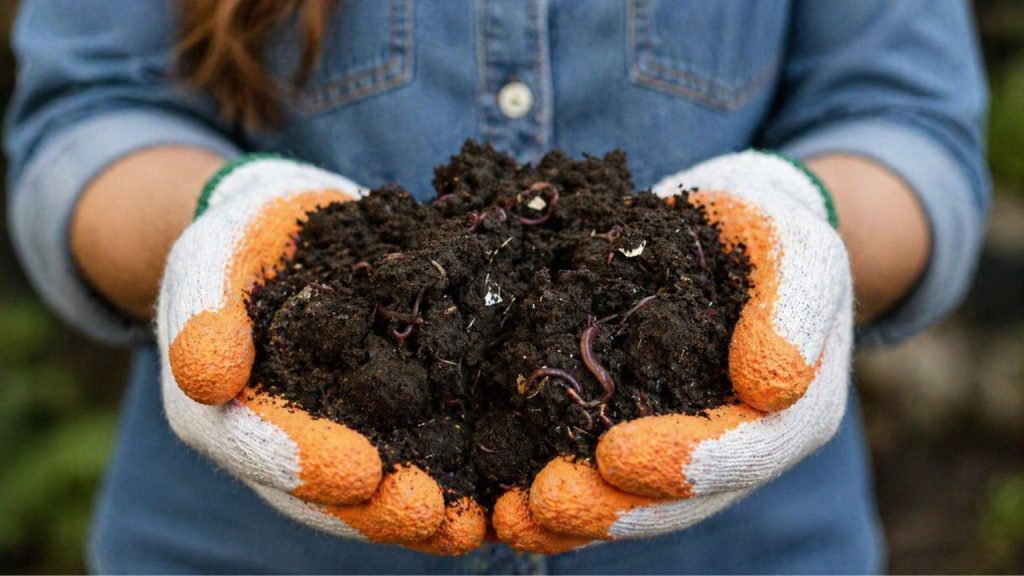
Working organic material into the top layer before planting gives roots a better start in Southwest Ohio’s clay-heavy soil.
Container Gardening in Southwest Ohio
Containers are a good option when soil is poor, space is tight, or you want more flexibility with placement. A few things worth knowing.
- Use a quality potting mix, not straight garden soil. Garden soil in a container compacts quickly and drains poorly.
- Containers warm up faster than ground soil, so you can often plant 1–2 weeks earlier if you can move pots inside or cover them on cold nights.
- Water more often. Containers dry out significantly faster than in-ground beds, especially in warm weather.
- Feed container plants every few weeks with a water-soluble fertilizer once they’re established. Nutrients wash out with frequent watering, so containers need more regular feeding than beds.
Good container choices for Southwest Ohio include petunias, calibrachoa, geraniums, impatiens, coleus, and trailing plants like sweet potato vine. Mix upright and trailing varieties in larger containers for a fuller look through the season.
Common Planting Mistakes in Southwest Ohio
Planting too early. Every spring planting guide worth following starts here: don’t plant too early. A late frost in April can wipe out tender annuals and vegetables planted on the first warm weekend. The average last frost date is an average, not a deadline. Check the forecast.
Ignoring soil prep. Planting straight into heavy, unamended clay leads to poor drainage and shallow rooting. Two hours of soil work before planting is worth more than extra watering all summer.
Skipping the hardening-off step. Moving seedlings directly from indoors to full sun and wind can shock them into dormancy or cause them to collapse. A week of gradual transition makes a real difference.
Overcrowding. Squeezing too many plants into a bed or container makes it look full at first, but invites disease, poor airflow, and competition for water and nutrients. Follow spacing recommendations even when it feels sparse at planting time.
Planting spring-blooming bulbs in spring. Tulips and daffodils go in the ground in the fall, not in April. If you want them next spring, put them on your list for October.
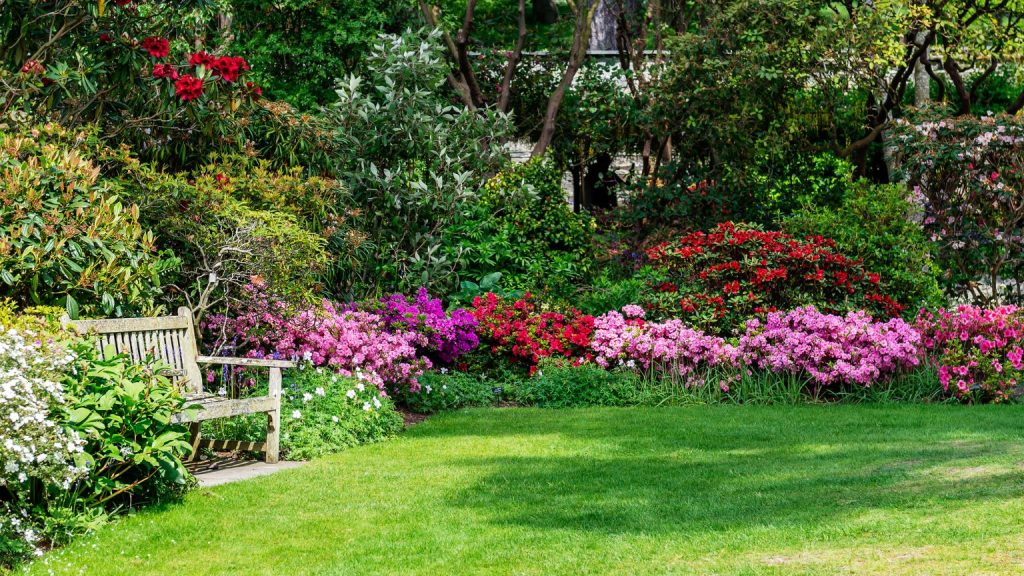
A well-timed planting season, with the right soil prep and frost-date awareness, shows through the whole summer.
Spring Planting Guide: Frequently Asked Questions
When is the last frost date around Dayton and Cincinnati?
Dayton typically sees its last frost between April 11 and 20. Communities like Kettering, Centerville, Beavercreek, and Cincinnati often land between April 21 and 30. Always cross-check a current 10-day forecast before planting frost-tender plants.
When can I plant tomatoes and peppers outside?
Wait until after your local last frost date and until nighttime temperatures are consistently staying above 50°F. In most years, late April into early May. Soil temperature matters too — aim for the low 60s before transplanting warm-season crops.
What flowers grow best in Zone 6 in Ohio?
Reliable perennial choices include coneflowers, black-eyed Susans, daylilies, hostas, salvias, and coral bells. For annuals, marigolds, zinnias, petunias, and impatiens perform well all season once the frost risk has passed.
When should I plant perennials in Southwest Ohio?
Early spring (April) or early fall (September through October). Spring planting gives perennials a full season to establish before winter. Either window works — fall planting tends to produce stronger root systems because cooler temps reduce transplant stress.
Can I plant in containers earlier than in the ground?
Often, yes. Containers warm faster than ground soil, and you can move them inside or cover them on cold nights. Just be ready to protect them if a late frost shows up, which is not uncommon here into early May.
Do I need to mulch right after planting?
A 2–3 inch layer of mulch after planting holds moisture and moderates soil temperatures through the spring weather swings. Keep it pulled back a couple of inches from stems and trunks. Mulch piled against plant bases holds moisture against wood and invites rot.
When should I plant spring-blooming bulbs?
Tulips, daffodils, and hyacinths are planted in fall, typically October. If you buy bulbs in spring and wonder why they’re sold out — that’s why. Add them to your fall list and they’ll be waiting for you when the time is right.
Where Planting Fits in Your Spring Plan
Planting is one piece of the spring picture. Cleanup and fertilization set the stage. Watering and mowing carry the work through summer.
If you haven’t done your spring cleanup or fertilization yet, start there first, then circle back here when your beds and soil are ready. The Spring Landscaping Guide for Southwest Ohio ties all three phases together. The Spring Yard Cleanup Guide and the Spring Fertilizer Guide cover the other pieces of the season in detail.
When you’re ready to plant, Champion can help with bulk mulch, topsoil, and compost from each yard in Dayton, Englewood, the Moraine/Kettering area, and West Chester, with delivery within roughly 20 miles. Stop in and let our team help you size what you need for the beds, containers, and raised areas you’re working on.

