

 LOCATIONS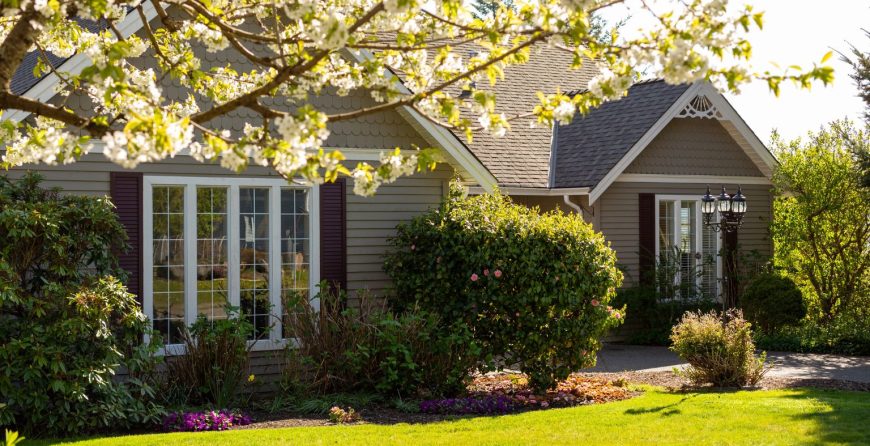
A Month-by-Month Checklist for Southwest Ohio Lawns and Landscapes
Updated for the 2026 spring season.
In This Article
- How This Checklist Works
- Early Spring Cleanup: Late February–March
- April Cleanup: Bed Prep, Mulch, and First Mows
- May: Planting and Finishing Touches
- Frequently Asked Questions
- Where to Go from Here
How This Checklist Works
Spring cleanup sets the tone for your whole yard. Get the right things done in late winter and early spring, and mowing, mulching, and planting all get easier from there. Skip it, and you spend May playing catch-up.
This checklist is built for Southwest Ohio weather and clay soils, whether you’re near Dayton, Englewood, the Moraine/Kettering area, West Chester, or anywhere in between. It runs in three passes: early spring, April, and May. Each pass has its own focus, so you’re not trying to do everything in one weekend.
If you’d like a printable version with space for dates and notes, download the Southwest Ohio Spring Yard Cleanup Checklist and keep it on a clipboard in the garage. For the full spring picture, the Spring Landscaping Guide for Southwest Ohio ties cleanup, fertilization, and planting together in one place.
Cleanup at a Glance: Three Passes
- Early Spring (Late February–March): Clear debris, inspect hardscape and drainage, prep tools, prune dormant trees and shrubs, and plan early lawn treatments.
- April: Start mowing, edge and clean beds, amend soil, apply mulch, power wash hardscape, and start up irrigation.
- May: Plant frost-tender annuals, finish tree and shrub planting, refresh mulch, fine-tune mowing and watering, and keep an eye on early pests.
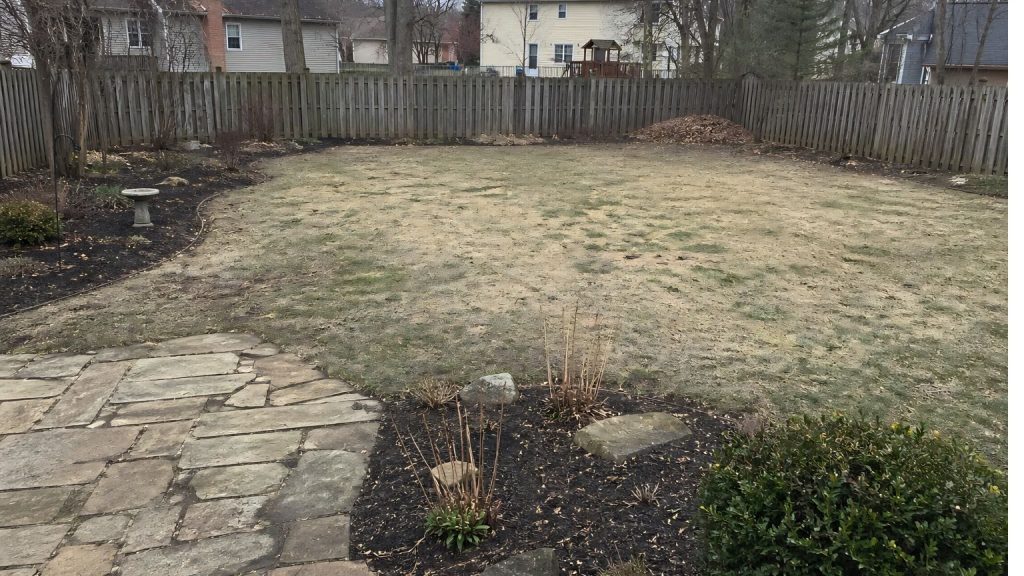
Late February in Southwest Ohio. The ground is thawing, the beds are waiting, and the season is about to start.
Early Spring Cleanup: Late February–March
As soon as daytime temperatures stay above freezing and the ground isn’t frozen solid, you can start the first pass. You don’t need to wait for warm weather. The goal at this stage is clearing, inspecting, and prepping — not planting.
Lawn and Yard Debris
- Rake up matted leaves, dead grass, and winter debris so the turf can breathe and sunlight can reach the soil.
- Remove dead annuals and leftover vegetable plants from last fall.
- Pick up fallen branches and storm damage from lawns and beds.
- Note any areas that look damaged from plow contact, foot traffic, or standing water through winter.
Go easy if the ground is still thawing. A heavy rake pulled through soft turf can tear out live grass right along with the dead. Light passes are all you need at this stage — you’re clearing, not cultivating.
— Ryan Dunham, Champion Mulch & Landscape Supply
Hardscape and Drainage Check
Freeze-thaw cycles do real work on hardscape over winter. Walk everything before you start spring cleanup in earnest.
- Check all walkways, patios, and retaining walls for frost-heave damage or settling.
- Mark pavers that have lifted or sunk for repair in April before they become a trip hazard.
- Inspect retaining walls for leaning, bulging, or gaps where material has shifted.
- Make sure downspouts, swales, and drains are clear so water can move away from the house once the ground thaws.
Equipment and Tool Prep
There’s nothing worse than a mower that won’t start when the grass is four inches tall in April. Take care of this now.
- Sharpen mower blades, change oil and filters, and check belts and fuel lines.
- Test string trimmers, edgers, and blowers before you actually need them.
- Clean and sharpen pruning tools. Dull blades tear rather than cut, and torn cuts invite disease.
A little time here in March prevents lost weekends waiting on a repair shop when the grass is already growing.
Trees and Shrubs
Late winter, while trees are still dormant, is one of the better times to prune. You can see the structure clearly, and cuts heal before new growth begins.
- Prune dead, damaged, or crossing branches on deciduous trees while they’re still dormant.
- Cut back ornamental grasses to the ground before new growth appears, usually late February or early March.
- Prune summer-blooming shrubs such as butterfly bush and hydrangeas that flower on new wood.
- Prune roses once buds begin to swell, but not before.
- Hold off on spring-blooming shrubs like forsythia and lilac until after they flower. Prune them now, and you lose this season’s blooms.
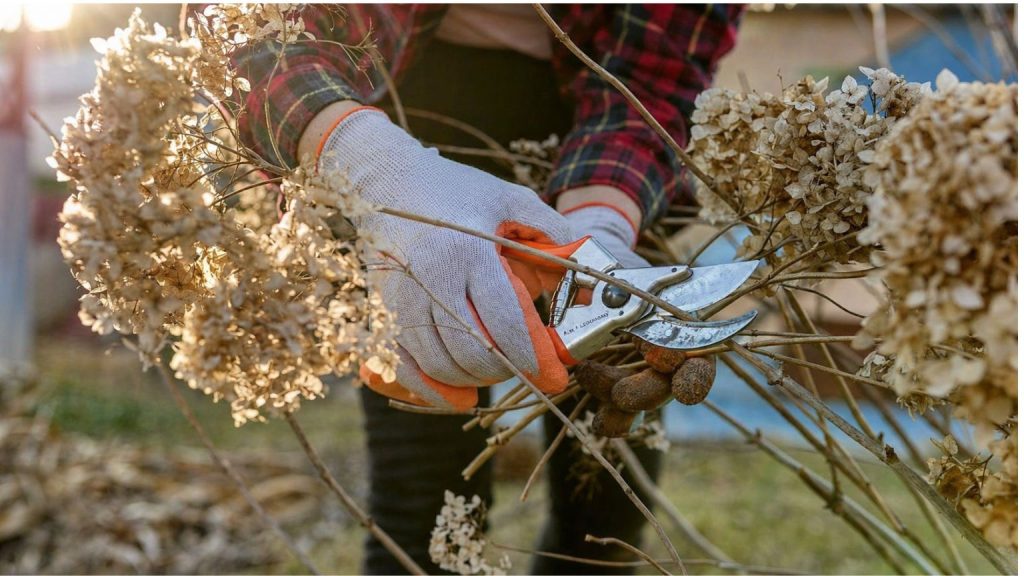
Pruning while plants are dormant gives you a clear view of the structure and lets cuts heal before growth begins.
April Cleanup: Bed Prep, Mulch, and First Mows
April is the main cleanup month in Southwest Ohio. The soil is workable, the lawn is waking up, and beds are ready for serious attention. If you only have one major work weekend in the spring, this is the one.
Lawn Care and First Mows
- Start mowing when the grass reaches about 2.5 to 3 inches and soil temperatures are in the 50 to 55°F range.
- Set the mowing height around 3 inches and follow the one-third rule: never remove more than a third of the blade in a single cut.
- Core aerate compacted areas, especially where people or equipment travel most.
- Overseed bare or thin spots right after aeration so seed makes contact with loosened soil.
Spring is also when your fertilizer schedule starts. For timing, application rates, and product guidance specific to Southwest Ohio, see the Spring Fertilizer Guide for Southwest Ohio
Garden Bed Cleanup and Edging
- Pull weeds with their roots before they have a chance to set seed. Early is much easier than mid-May.
- Rake out any leftover leaves and debris from beds.
- Re-edge all garden beds with a spade or edging tool to create a clean line and a shallow trench.
A good edge holds mulch in place and keeps grass from creeping into your beds. Plastic edging works, but a clean spade cut in high-visibility beds tends to look sharper and last just as well.
A shallow trench edge in your front beds takes about 20 minutes and holds mulch better than most plastic products you’d buy. Cut straight down with a spade, angle slightly toward the bed, and clean out the loose material. Simple, and it looks clean all season.
— Ryan Dunham, Champion Mulch & Landscape Supply
Soil Prep and Mulch
Plants struggle in straight clay. A little soil prep before planting gives them a better start and pays off across the whole season.
- Spread 2 to 3 inches of compost or quality topsoil over the bed and work it into the top layer where you can.
- For areas with heavy clay or poor drainage, consider raising the bed slightly to improve water movement.
- Apply 2 to 3 inches of mulch once the soil has started to warm. In most of Southwest Ohio, that means late April.
- Keep mulch pulled back a couple of inches from trunks and stems to prevent rot.
Champion manufactures its own mulch and keeps bulk topsoil and compost in stock at all four locations, with delivery available within about 20 miles of each yard in Dayton, Englewood, the Moraine/Kettering area, and West Chester. Popular bulk mulch options include Ultra Black, Ultra Brown, Cedar Mulch, and Brown (Black) Gold. See the full mulch inventory for pickup and delivery availability.
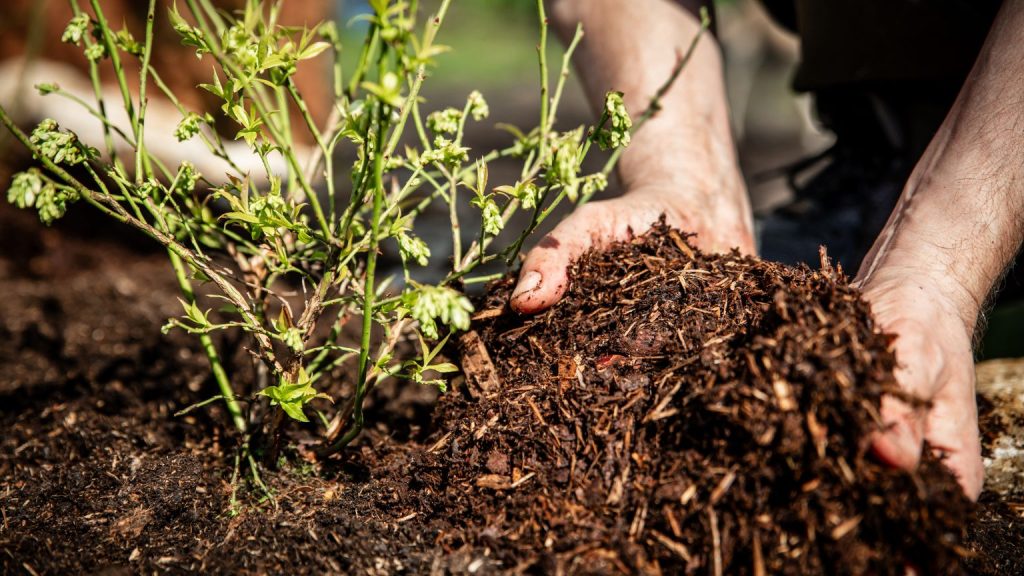
Two to three inches of mulch holds moisture, moderates soil temperature, and slows early weed germination all season long.
Hardscape Cleaning
- Power wash patios, walkways, and retaining walls after winter.
- Re-set sunken or tilted pavers while the ground is still workable.
- Fill cracks in concrete and mortar joints before water and roots make them worse throughout the season.
- Check outdoor lighting and replace any broken fixtures or bulbs.
Champion carries pavers from Unilock, Hessit Works, Oberfields, and Belgard, along with hardscape accessories from Alliance Designer Products, including Gator Base, Gator Cleaners and Sealers, and Gator Binding Agents. If you have a repair or install project in mind, stop into any of our locations and talk about it with our team.
Irrigation System Startup
April is the target window for bringing irrigation back online. Wait until the risk of a hard freeze has passed, then work through these steps:
- Open the main valve slowly to avoid hammering the lines.
- Run each zone one at a time and walk the yard to check for leaks or broken heads.
- Adjust sprays so water is landing on lawns and beds, not driveways and sidewalks.
- Set your controller for early morning watering with modest runtimes for cool spring weather.
Many homeowners have a professional handle startup, especially where backflow testing is required. Either way, set conservative runtimes at first and adjust once the season settles in.
May: Planting and Finishing Touches
By May, the heavy cleanup work is behind you. The focus shifts to planting, settling into mowing and watering routines, and staying ahead of a few early-season problems before they get out of hand.
Planting and Bed Finishing
- Plant frost-tender annuals like petunias, marigolds, impatiens, and calibrachoa after the last frost and once the 10-day forecast looks clear.
- Transplant tomatoes, peppers, and warm-season vegetables once nights are consistently above 50°F and soil temperatures are in the low 60s.
- Finish planting trees and shrubs so roots have time to establish before summer heat arrives.
- Refresh mulch in spots where it has settled or washed away.
For a full planting calendar with timing by crop and flower type, the Spring Planting Guide for Southwest Ohio covers Zone 6 timing in detail.
Lawn Maintenance and Watering
- Settle into a weekly mowing schedule at 3 to 3.5 inches.
- Aim for 1 to 1.5 inches of water per week combined from rain and irrigation.
- Check irrigation coverage and adjust zones running too wet or too dry.
- Confirm your spring fertilizer applications are on schedule.
Pests and General Checks
- Watch for early crabgrass breakthrough and problem weeds. If your pre-emergent window was missed, look for a post-emergent product labeled for your grass type and treat while the crabgrass is still small.
- Check evergreens for bagworm cases and note any pest activity before populations build.
- Eliminate standing water in low spots and containers to cut down on mosquito habitat.
- Make one more pass over pavers, walls, and beds before summer to catch anything from the April work.
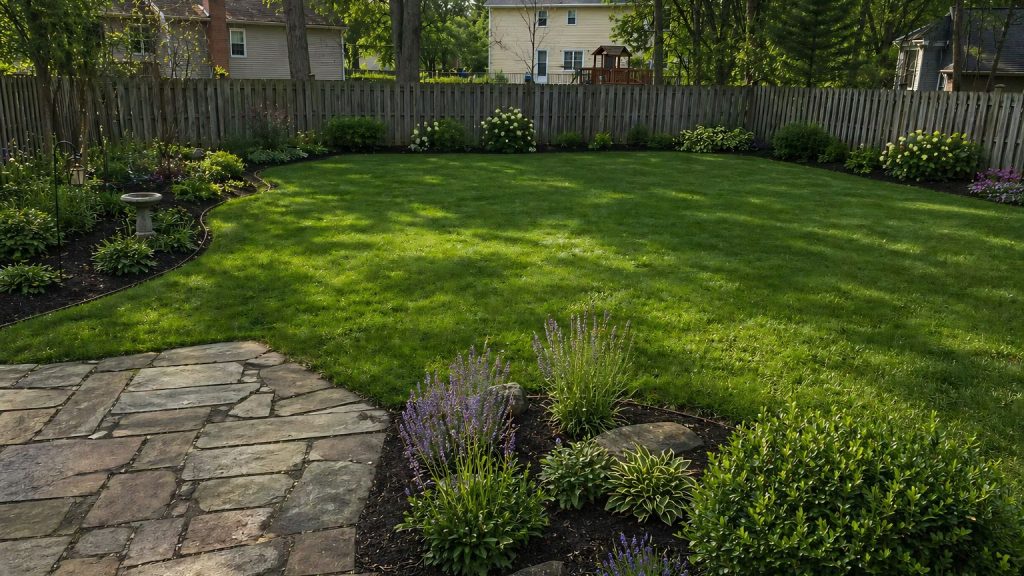
Clean edges, fresh mulch, and the first plantings of the season. The cleanup work is done — the rest of the season can begin.
Frequently Asked Questions
When should I start spring cleanup in Southwest Ohio?
You can start light cleanup and inspections in late February or early March, as soon as daytime temperatures stay above freezing and the ground isn’t frozen solid. Heavy bed work, edging, and mulching are better held until April when the soil has started to warm.
Do I need to rake my lawn every spring?
Light raking helps remove matted leaves and dead grass so the lawn can breathe. Go easy when the ground is still soft. A heavy rake pulled through thawing turf can tear out live grass right along with the debris. A light pass is usually all you need.
Should I aerate my lawn in spring or fall?
Fall is generally the better window for cool-season lawns in Southwest Ohio. Spring aeration in late March or April can help in areas with severe compaction or heavy clay, but avoid it when the soil is saturated or very wet.
Can I mulch before the last frost?
You can, but it pays to wait until the soil has started to warm. In most of Southwest Ohio, that means late April. Mulching too early over cold, wet soil can slow the warming process and create conditions that aren’t ideal for new root growth.
When should I start up my irrigation system?
April is the target window. Wait until the risk of a hard freeze has passed, then open the system slowly, walk each zone, and check for leaks or broken heads. Set conservative runtimes for cool spring weather and adjust from there.
Do I have to do all of this in one weekend?
Not at all. The three-pass approach is built specifically so you don’t have to. Each pass has a clear focus, and most of the tasks are sized for a weekend morning rather than a week off. The printable checklist keeps everything organized without trying to hold it all in your head.
What if I missed the pre-emergent window for crabgrass?
Look for a post-emergent crabgrass herbicide labeled for your grass type and treat while the crabgrass is still small and actively growing. For next year, plan to get pre-emergent down when soil temperatures hit 50 to 55°F, which typically lines up with early to mid-March in our area. One or two crabgrass plants in the first year isn’t a disaster — aim for steady improvement rather than perfection in a single season.
Where to Go from Here
Cleanup is the foundation, but it’s one part of the spring picture. Once beds are clear and hardscape is addressed, the next pieces are fertilization timing and planting. Both depend on cleanup being done first, which is why this checklist comes before the others.
The Spring Landscaping Guide for Southwest Ohio ties all three phases together. The Spring Fertilizer Guide covers timing, products, and application rates. The Spring Planting Guide for Southwest Ohio walks through what to plant, when, and how to prep beds for each crop and flower type.
When you’re ready for materials, Champion keeps bulk mulch, topsoil, and compost at our yards in Dayton, Englewood, the Moraine/Kettering area, and West Chester, with delivery available within about 20 miles of each location. Stop in, call ahead, or order online. Our team can help you size what you need so you don’t have to make a second trip.

